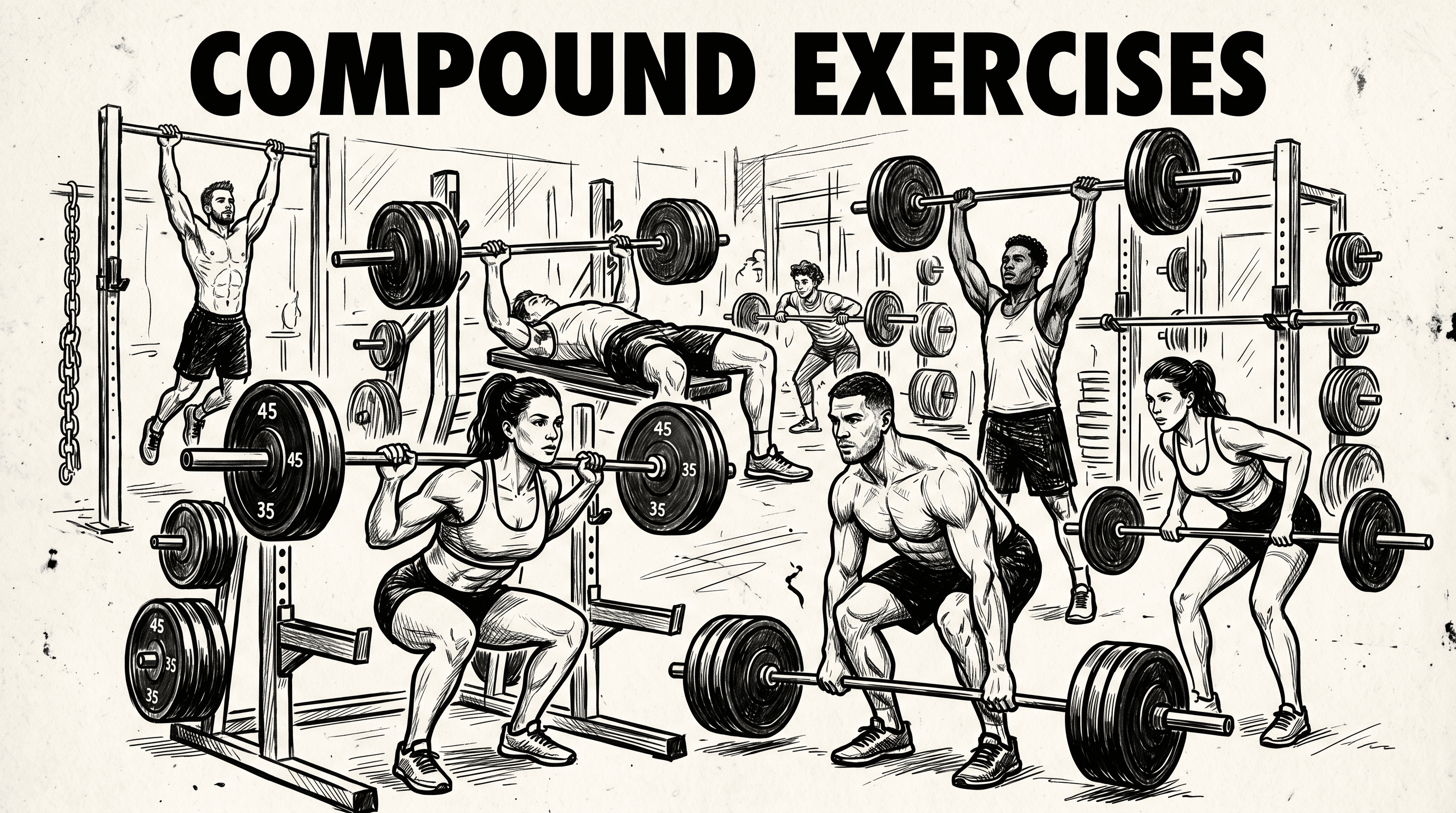

Progressive Overload: The #1 Principle for Building Muscle and Strength
What Is Progressive Overload?
Progressive overload is the gradual increase of stress placed on the body during training. It is the single most important principle in strength training — without it, your body has no reason to adapt, and you will stop making progress.
The concept is straightforward: your muscles grow and get stronger in response to demands that exceed what they are currently capable of. Once they adapt to a given stimulus, you need to increase that stimulus to continue improving. This is progressive overload in its simplest form.
The principle was first described scientifically by Dr Thomas DeLorme in the 1940s, who used progressive resistance exercise to rehabilitate injured soldiers [1]. Since then, decades of research have confirmed that progressive overload is the foundational driver of both muscle hypertrophy and strength gains [2].
If you are following any training programme — whether it is push pull legs, an upper lower split, 5x5, or any other approach — progressive overload is what makes it work.
Why Progressive Overload Matters
Your body is an adaptation machine. When you lift weights, you create mechanical tension and metabolic stress in your muscles. Your body responds by rebuilding those muscles slightly bigger and stronger than before — this is the process of hypertrophy.
But here is the critical point: your body only adapts to novel stimuli. If you bench press 80 kg for 3 sets of 10 every Monday for six months, your body adapts to that demand within the first few weeks. After that, those same 80 kg provide a maintenance stimulus at best. No new growth occurs.
To continue growing, you must systematically increase the demands:
- Lift heavier weight
- Perform more reps
- Complete more sets
- Train more frequently
- Improve your technique
This is why a training log is essential. Without tracking your workouts, you cannot verify that you are actually progressing. You might feel like you are working hard, but subjective effort is not the same as objective improvement.
The 6 Methods of Progressive Overload
There are multiple ways to progressively overload your muscles. The most effective approach uses a combination of these methods over time.
1. Increase Weight (Load Progression)
The most straightforward method: add more weight to the bar. This is the primary driver of strength gains and the method most associated with progressive overload.
How to apply it:
| Lift Type | Typical Increment |
|---|---|
| Squat | 2.5–5 kg (5–10 lb) |
| Deadlift | 2.5–5 kg (5–10 lb) |
| Bench Press | 1.25–2.5 kg (2.5–5 lb) |
| Overhead Press | 1.25–2.5 kg (2.5–5 lb) |
| Isolation exercises | 1–2 kg (2.5–5 lb) |
Smaller increments become necessary as you get stronger. Many gyms do not have plates smaller than 2.5 kg — investing in fractional plates (0.5 kg and 1.25 kg) allows for more gradual progression on upper-body lifts.
Best for: Compound lifts in the 3–8 rep range where strength is the priority.
2. Increase Reps (Rep Progression)
Perform more repetitions at the same weight. This increases the total work done (volume = sets × reps × weight) without changing the load.
Example — Barbell Row at 70 kg:
| Week | Set 1 | Set 2 | Set 3 | Total Reps |
|---|---|---|---|---|
| 1 | 8 | 8 | 7 | 23 |
| 2 | 8 | 8 | 8 | 24 |
| 3 | 9 | 9 | 8 | 26 |
| 4 | 10 | 10 | 9 | 29 |
When you reach the top of your target rep range (e.g. 10) for all sets, increase the weight and drop back to the bottom of the range (e.g. 8).
Best for: All exercises, particularly isolation movements where small weight increases are impractical.
3. Increase Sets (Volume Progression)
Add more sets per exercise or per muscle group over time. This increases the total training volume — a key driver of hypertrophy [3].
Example — Weekly chest volume progression:
| Mesocycle | Sets/Week | Notes |
|---|---|---|
| Weeks 1–2 | 10 sets | Starting volume |
| Weeks 3–4 | 12 sets | +1 set on bench and flyes |
| Week 5 | 14 sets | +1 more set on incline press |
| Week 6 | 7 sets | Deload week |
| Weeks 7+ | 12 sets | New block, starting one step above last time |
Start at the lower end of the recommended range (10 sets/week for most muscle groups) and add 1–2 sets every week or two. Do not increase volume indefinitely — after 4–6 weeks of increasing sets, take a deload week to manage fatigue.
Best for: Intermediate and advanced lifters who have maximised rep and load progression.
Ready to Get Stronger?
Join 2,000,000+ lifters tracking their workouts with Stronger. Available on iOS and Android.
Start tracking free4. Increase Training Frequency
Train a muscle group more often per week. Moving from once to twice per week doubles the growth stimuli.
Example:
- 3-day full body → each muscle 3×/week
- 4-day upper lower → each muscle 2×/week
- 6-day PPL → each muscle 2×/week
Research shows that training a muscle at least twice per week produces significantly greater hypertrophy than once per week [4]. If you are currently on a bro split hitting each muscle once per week, increasing frequency to twice per week is one of the most impactful changes you can make.
Best for: Lifters on low-frequency programmes who are ready for more stimulus.
5. Improve Technique (Quality Progression)
Performing the same weight and reps with better form increases the effective stimulus on the target muscle. This is often overlooked but is especially important for intermediate and advanced lifters.
Ways to improve technique:
- Increase range of motion — deeper squats, lower dumbbell on flyes, fuller stretch on curls
- Slow the eccentric — 2–3 second controlled negatives increase time under tension
- Eliminate momentum — strict form isolates the target muscle more effectively
- Improve mind-muscle connection — focus on contracting the working muscle
Best for: Lifters who have been training for 1+ years and have room to refine their movement quality.
6. Decrease Rest Periods (Density Progression)
Performing the same volume in less time increases training density. This is less effective for strength gains (where full recovery between sets matters) but can be useful for hypertrophy and conditioning.
Example:
- Week 1: 3×10 bench press at 80 kg with 3-minute rest
- Week 4: 3×10 bench press at 80 kg with 2-minute rest
Best for: Advanced lifters, or when combined with other methods. Do not sacrifice performance for shorter rest periods on heavy compound lifts.
The Double Progression Method (Most Practical)
For most lifters, double progression is the most practical way to implement progressive overload. It combines load and rep progression into a simple system:
- Pick a target rep range (e.g. 8–10 reps)
- Start at the bottom of the range with a challenging weight
- Add 1 rep per session until you hit the top of the range for all sets
- Increase the weight by the smallest increment and drop back to the bottom
Example: Incline Dumbbell Press
| Session | Weight | Reps (3 sets) | Action |
|---|---|---|---|
| 1 | 30 kg | 8, 8, 8 | Starting weight |
| 2 | 30 kg | 9, 8, 8 | +1 rep on set 1 |
| 3 | 30 kg | 9, 9, 8 | +1 rep on set 2 |
| 4 | 30 kg | 10, 9, 9 | Progressing |
| 5 | 30 kg | 10, 10, 10 | Top of range — increase weight |
| 6 | 32 kg | 8, 8, 7 | New weight, back to bottom |
This approach works for every exercise and every experience level. The beauty is its simplicity — you just need to know your numbers from last session, try to beat them, and increase the weight when you max out your rep range.
How to Track Progressive Overload
You cannot manage what you do not measure. Tracking your workouts is the only way to verify that progressive overload is occurring. Here are your options:
| Method | Pros | Cons |
|---|---|---|
| Notebook | Simple, no tech needed | Slow to reference, no analytics |
| Spreadsheet | Customisable, free | Time-consuming to update, not mobile-friendly |
| Workout tracker app | Fast logging, automatic progression tracking, analytics | Requires a phone |
A dedicated workout tracker app like Stronger is the most efficient option. It shows you exactly what you lifted last session for every exercise, tracks your Strength Score across all 12 muscle groups, and highlights where you are progressing and where you are stalling.
The critical habit is this: before every set, check what you did last time. If you did 80 kg for 8 reps last session, your goal this session is 80 kg for 9 reps (or more). This tiny feedback loop is what drives consistent, long-term progress.
Common Progressive Overload Mistakes
1. Adding Weight Too Fast
Jumping from 80 kg to 85 kg because you hit your rep target feels tempting. But 5 kg is a 6% increase — too much for most upper-body lifts. Use the smallest available increment: 1.25 kg for pressing movements, 2.5 kg for squats and deadlifts.
2. Sacrificing Form for Numbers
Adding a rep by using excessive momentum, shortening range of motion, or bouncing the weight does not count as progressive overload. It is regression disguised as progress. If your form degrades, the rep does not count.
3. Expecting Linear Progress Forever
Beginners can add weight every session for months. Intermediates might add weight every 1–2 weeks. Advanced lifters progress every few weeks to months. As you get stronger, the rate of progress slows — this is normal. Adjust your expectations and use multiple overload methods rather than relying solely on load progression.
4. Ignoring Deloads
Progressive overload generates fatigue. Without periodic deloads (planned reductions in volume or intensity), fatigue accumulates and performance can stall. Take a deload week every 4–6 weeks where you reduce volume substantially. In a 2024 survey of strength and physique athletes, most deloaded roughly every 5–6 weeks on average, typically for about a week, and usually by cutting sets and reps [5].
5. Not Tracking Workouts
If you cannot tell me what you bench pressed 3 weeks ago, you are not applying progressive overload — you are guessing. Track every session.
Progressive Overload for Different Goals
For Strength
- Primary method: Load progression (add weight)
- Rep range: 1–5 reps
- Rest periods: 3–5 minutes between sets
- Progression rate: Add weight every 1–4 sessions
For Hypertrophy (Muscle Growth)
- Primary method: Double progression (reps then load)
- Rep range: 6–12 reps (with some 12–20 work)
- Rest periods: 2–3 minutes for compounds, 60–90 seconds for isolation
- Progression rate: Add reps each session, weight every 2–4 weeks
For Muscular Endurance
- Primary method: Rep and density progression
- Rep range: 15–25+ reps
- Rest periods: 30–60 seconds
- Progression rate: Add reps or reduce rest periods weekly
Frequently Asked Questions
How often should I increase weight?
It depends on your experience level. Beginners can add weight every session. Intermediate lifters typically add weight every 1–2 weeks using double progression. Advanced lifters may add weight every 2–4 weeks. The key is to follow the data — increase weight when you consistently hit the top of your rep range.
Can I progressively overload without adding weight?
Yes. Adding reps, adding sets, improving technique, and increasing frequency are all forms of progressive overload. Weight increase is the most measurable, but not the only method.
What should I do when I plateau?
First, ensure you are actually plateaued (not just having a bad session). If progress has stalled for 2+ weeks, try: (1) adding 1–2 extra sets per week, (2) varying your exercise selection, (3) taking a deload week, or (4) addressing recovery factors like sleep and nutrition.
Is progressive overload the same as "going to failure"?
No. Progressive overload is about increasing training demands over time. Training to failure means performing reps until you cannot complete another one. You can apply progressive overload while stopping 1–2 reps short of failure (RPE 8–9), which is what most research recommends for sustainable progress.
How do I apply progressive overload on a cut?
During a calorie deficit, the goal shifts from building muscle to preserving it. Maintain your training intensity (weight on the bar) but accept that volume may need to decrease. If you can keep your weights the same while losing body fat, you are effectively getting stronger relative to your bodyweight.
Summary
Progressive overload is not a programme or a technique — it is the fundamental principle that makes all strength training programmes work. Without it, your body has no reason to grow.
Key takeaways:
- Progressive overload means systematically increasing training demands over time
- The six methods: increase weight, increase reps, increase sets, increase frequency, improve technique, decrease rest periods
- Double progression (add reps then weight) is the most practical method for most lifters
- Track every workout — you cannot progressively overload what you do not measure
- Rate of progress slows as you advance — use multiple overload methods
- Deload every 4–6 weeks to manage accumulated fatigue
Start tracking your progressive overload with Stronger and never guess your numbers again. Use the Strength Score calculator to see where your key lifts stand right now.
Ready to Get Stronger?
Join 2,000,000+ lifters tracking their workouts with Stronger. Available on iOS and Android.
Start tracking freeSources
- Todd, J. S., Shurley, J. P., & Todd, T. C. (2012). Thomas L. DeLorme and the Science of Progressive Resistance Exercise. Journal of Strength and Conditioning Research, 26(11), 2913–2923.
- Kraemer, W. J., & Ratamess, N. A. (2004). Fundamentals of resistance training: progression and exercise prescription. Medicine and Science in Sports and Exercise, 36(4), 674–688.
- Schoenfeld, B. J., & Grgic, J. (2018). Evidence-Based Guidelines for Resistance Training Volume to Maximize Muscle Hypertrophy. Strength and Conditioning Journal, 40(4), 107–112.
- Schoenfeld, B. J., Ogborn, D., & Krieger, J. W. (2016). Effects of Resistance Training Frequency on Measures of Muscle Hypertrophy: A Systematic Review and Meta-Analysis. Sports Medicine, 46(11), 1689–1697.
- Rogerson, D., et al. (2024). Deloading Practices in Strength and Physique Sports: A Cross-sectional Survey. Sports Medicine - Open, 10(1), 26.
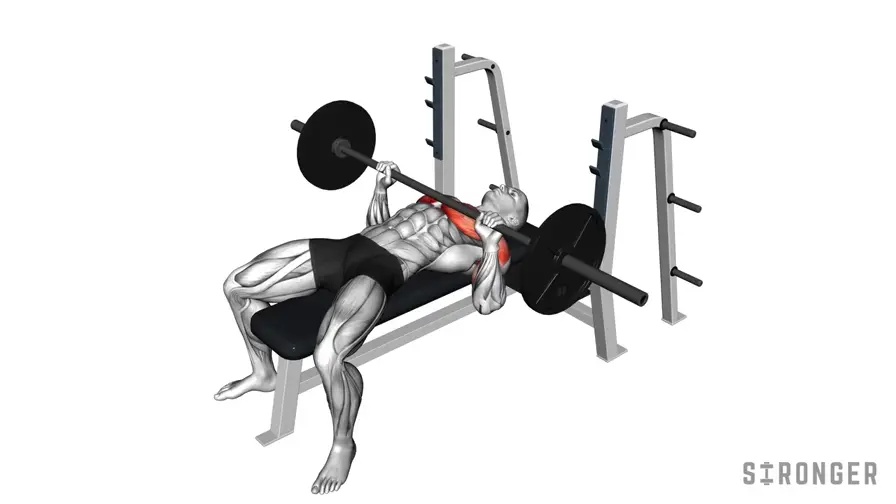
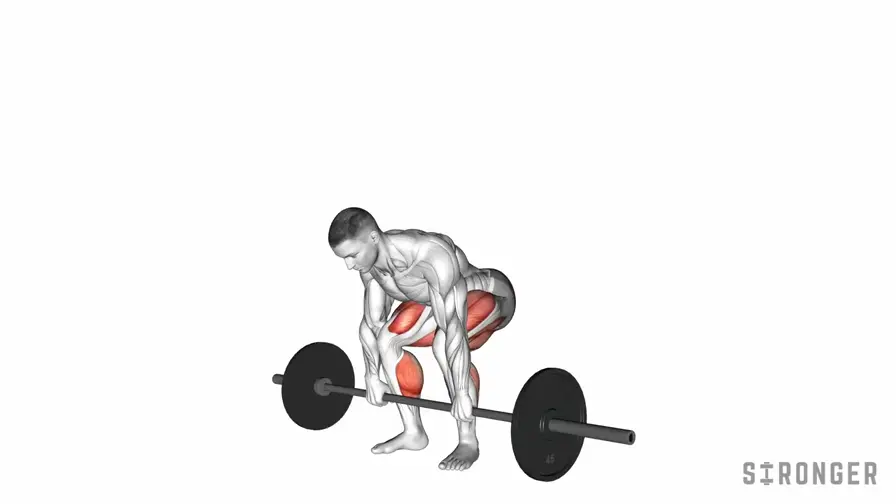
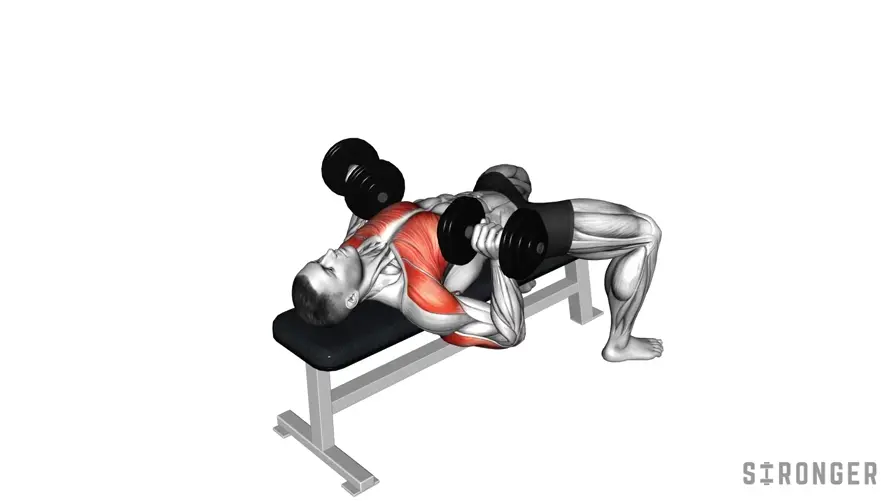
Exercises in this guide
Stronger Editorial Team
Certified strength & conditioning specialists with 10+ years of coaching experience
The Stronger editorial team produces evidence-based training content for lifters of all levels.
Ready to Get Stronger?
Join 2,000,000+ lifters tracking their workouts with Stronger. Available on iOS and Android.
Start tracking free